The Real Cost of a Small Canvas: Pricing Notes for UK Collectors
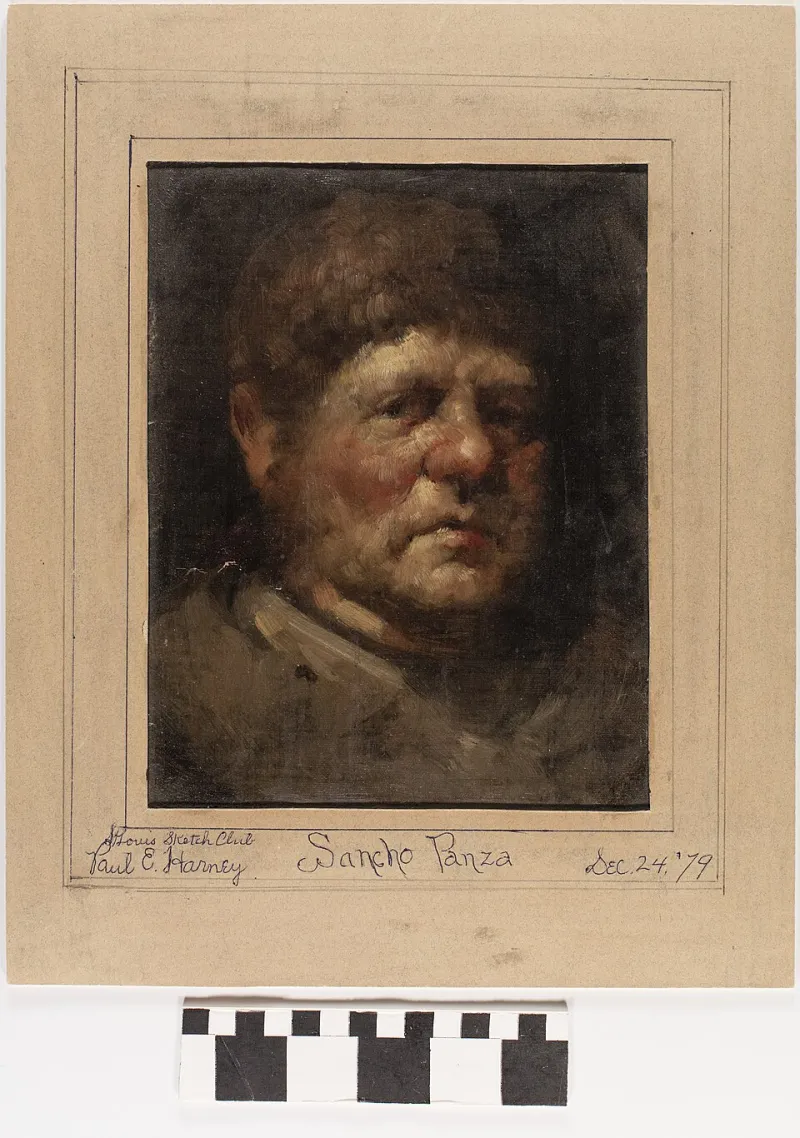
Photo: Paul Harney, Public domain, via Wikimedia Commons
The collector’s email was polite. Why, she asked, is a painting smaller than a paperback £350? It is a fair question, and I would rather answer it properly than mutter something about ‘artist time’ and hope the subject changes. Small paintings are not small costs. They are concentrated costs.
Why £350 Is Not a Number I Plucked From the Air
Take a 20 x 20 cm oil on board. The board is £18. Primer and ground add £4. Paint is harder to pin down, because a good cadmium or a decent ultramarine costs more than people expect, but £20 is a sensible average across a small work. Brushes wear out; I budget £6 per painting. The frame is £65 if I keep it simple and local. Photographing it properly for the website costs around £15. Packaging, glassine, corner protectors and a sturdy box come to £8. Card fees and website costs take another £10. Studio rent, heating, insurance and the slow accumulation of easels, lamps and storage add at least £40 per painting when spread across a year’s output. Then there is time: about six hours for a small piece, including the drawing, the painting, the drying checks, the varnishing and the admin. At £25 an hour, that is £150.
Add it up and you get £336. At £350, the margin is £14 before tax. That is not profit. That is a rounding error with a frame around it.
If the same painting sells through a gallery taking 45%, I receive £192.50. That is below cost. This is why artists sell directly from studios and websites, and why the same painting can have two prices. It is not shady; it is arithmetic. The gallery price pays for the room, the staff, the insurance, the private view and the audience. The studio price pays for the painting to exist at all.
Three Small Works, Three Honest Sums
I use examples like these when collectors ask, because a price list without context is just a row of numbers.
‘Salt Marsh, Late Light’, 18 x 24 cm, oil on board. Around five hours of painting, a simple lime-washed frame, no complicated mounting. Direct from the studio: £280. Through a gallery: £480. The buyer is paying for materials, time, framing, delivery and a small contribution to the studio’s survival. Nothing glamorous is happening here. It is a fair exchange for a compact, finished object.
‘Harbour Wall, November’, 30 x 30 cm, oil on panel. This one takes longer because the texture has to be built and knocked back, then built again. Nine hours, an oak frame, a heavier parcel. Direct: £450. Gallery: £760. The extra cost is not ‘because it is bigger’. It is because the painting asks for more decisions, more drying time and a frame that does not fight it.
‘Ochre Field with Two Gulls’, 40 x 50 cm, oil on cradled panel. Fourteen hours, several layers, a bespoke frame and a crate rather than a box. Direct: £720. Gallery: £1,200. At this size the work starts to need wall space, transport insurance and more careful installation advice. The price reflects all of that, not just the square centimetres.
What Your Money Actually Pays For
When you buy a small painting, you are not buying paint. You are buying the decisions that put the paint there. You are paying for the failed versions that never left the studio, the hours spent looking rather than brushing, the storage of work that has not sold, the heating that keeps oil paint workable in February, and the website that lets you find the piece in the first place.
You are also paying for risk. Most paintings do not sell on the day they are finished. Some never sell. The ones that do carry the cost of the ones that do not. That is not a sob story; it is how small studios work.
For first-time buyers, the practical advice is simple. Ask what the work is made with, whether it is framed and ready to hang, and whether it comes with a certificate or a signed provenance note. Ask about returns and delivery, especially if you are in a flat with a narrow stairwell. Ask whether the artist offers a payment plan. Schemes such as Own Art can spread the cost of original work in the UK, and many artists will happily discuss a staged payment for a piece they know is going to a good wall.
Do not haggle over £350 as though it were a car boot negotiation. If the price is beyond you, say so. A good artist will tell you about prints, studies or smaller works, or keep you on a list for something similar. What we cannot do is pretend the materials were free and the hours did not happen.
The Awkward Bit
Putting a number on a painting is still awkward. I have underpriced work and quietly resented it. I have overpriced work and watched it sit in the rack, teaching me something about my own judgement. The number is never pure. It is a negotiation between cost, confidence and the market you actually have, not the one you wish you had.
But £350 for a small original is not an outrageous sum in 2026. It is a modest one. It buys a window that stays on the wall, in a particular light, in a particular room. The paint is the least of it.